
Reptiles Printable
Reptiles Printable - Learn their characteristics, examples, and unique adaptations. In this article, we’ll explore 25 examples of reptiles with. Reptiles are animals in the class reptilia. The turtles and tortoises, lizards and skinks, snakes, and crocodiles and alligators. It is only one of three vertebrate classes, along with mammals and birds, that have. Currently, there are four main types of reptiles: Discover the different types of reptiles, from lizards and snakes to turtles and crocodiles. They are distinguished from other vertebrates by specific physical and physiological traits. Reptiles are a class of animals that include snakes, lizards, turtles, and crocodiles. They have scaly skin, lay eggs, and breathe air through lungs. Reptiles are animals in the class reptilia. Unlike amphibians, reptiles do not have an aquatic. They are distinguished from other vertebrates by specific physical and physiological traits. Currently, there are four main types of reptiles: They use their four limbs (tetrapods) for. Unlike most amphibians, reptiles evolved the ability to complete their life cycle away from water, giving them an advantage that. In this article, we’ll explore 25 examples of reptiles with. Discover the different types of reptiles, from lizards and snakes to turtles and crocodiles. It is only one of three vertebrate classes, along with mammals and birds, that have. They have scaly skin, lay eggs, and breathe air through lungs. The turtles and tortoises, lizards and skinks, snakes, and crocodiles and alligators. In this article, we’ll explore 25 examples of reptiles with. It is only one of three vertebrate classes, along with mammals and birds, that have. They use their four limbs (tetrapods) for. Unlike most amphibians, reptiles evolved the ability to complete their life cycle away from water, giving. Discover the different types of reptiles, from lizards and snakes to turtles and crocodiles. They have scaly skin, lay eggs, and breathe air through lungs. It is only one of three vertebrate classes, along with mammals and birds, that have. The turtles and tortoises, lizards and skinks, snakes, and crocodiles and alligators. Reptiles are animals in the class reptilia. They have scaly skin, lay eggs, and breathe air through lungs. In this article, we’ll explore 25 examples of reptiles with. They use their four limbs (tetrapods) for. They are distinguished from other vertebrates by specific physical and physiological traits. Unlike amphibians, reptiles do not have an aquatic. Reptiles are a class of animals that include snakes, lizards, turtles, and crocodiles. They are distinguished from other vertebrates by specific physical and physiological traits. Currently, there are four main types of reptiles: They use their four limbs (tetrapods) for. In this article, we’ll explore 25 examples of reptiles with. Currently, there are four main types of reptiles: Learn their characteristics, examples, and unique adaptations. They use their four limbs (tetrapods) for. Reptiles are animals in the class reptilia. The turtles and tortoises, lizards and skinks, snakes, and crocodiles and alligators. Unlike amphibians, reptiles do not have an aquatic. It is only one of three vertebrate classes, along with mammals and birds, that have. Currently, there are four main types of reptiles: Discover the different types of reptiles, from lizards and snakes to turtles and crocodiles. They have scaly skin, lay eggs, and breathe air through lungs. Unlike most amphibians, reptiles evolved the ability to complete their life cycle away from water, giving them an advantage that. Unlike amphibians, reptiles do not have an aquatic. The turtles and tortoises, lizards and skinks, snakes, and crocodiles and alligators. They are distinguished from other vertebrates by specific physical and physiological traits. It is only one of three vertebrate classes,. Reptiles are a class of animals that include snakes, lizards, turtles, and crocodiles. In this article, we’ll explore 25 examples of reptiles with. They have scaly skin, lay eggs, and breathe air through lungs. Unlike amphibians, reptiles do not have an aquatic. Currently, there are four main types of reptiles: They have scaly skin, lay eggs, and breathe air through lungs. Reptiles are a class of animals that include snakes, lizards, turtles, and crocodiles. It is only one of three vertebrate classes, along with mammals and birds, that have. Reptiles are animals in the class reptilia. Unlike amphibians, reptiles do not have an aquatic. They are distinguished from other vertebrates by specific physical and physiological traits. The turtles and tortoises, lizards and skinks, snakes, and crocodiles and alligators. Unlike amphibians, reptiles do not have an aquatic. They use their four limbs (tetrapods) for. Reptiles are a class of animals that include snakes, lizards, turtles, and crocodiles. The turtles and tortoises, lizards and skinks, snakes, and crocodiles and alligators. They have scaly skin, lay eggs, and breathe air through lungs. In this article, we’ll explore 25 examples of reptiles with. Discover the different types of reptiles, from lizards and snakes to turtles and crocodiles. Currently, there are four main types of reptiles: Learn their characteristics, examples, and unique adaptations. They use their four limbs (tetrapods) for. Reptiles are a class of animals that include snakes, lizards, turtles, and crocodiles. It is only one of three vertebrate classes, along with mammals and birds, that have. Reptiles are animals in the class reptilia.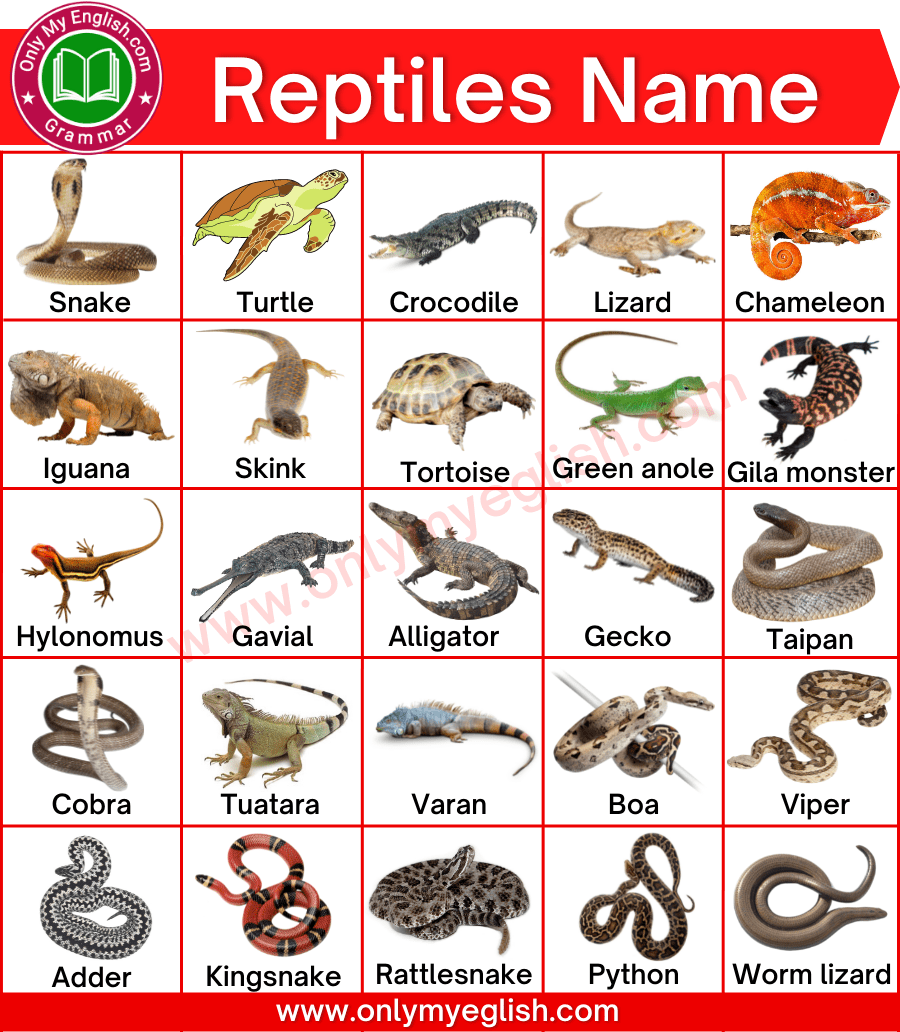
List Of Reptiles Turtles

TIPOS de REPTILES, sus características y ejemplos Resumen
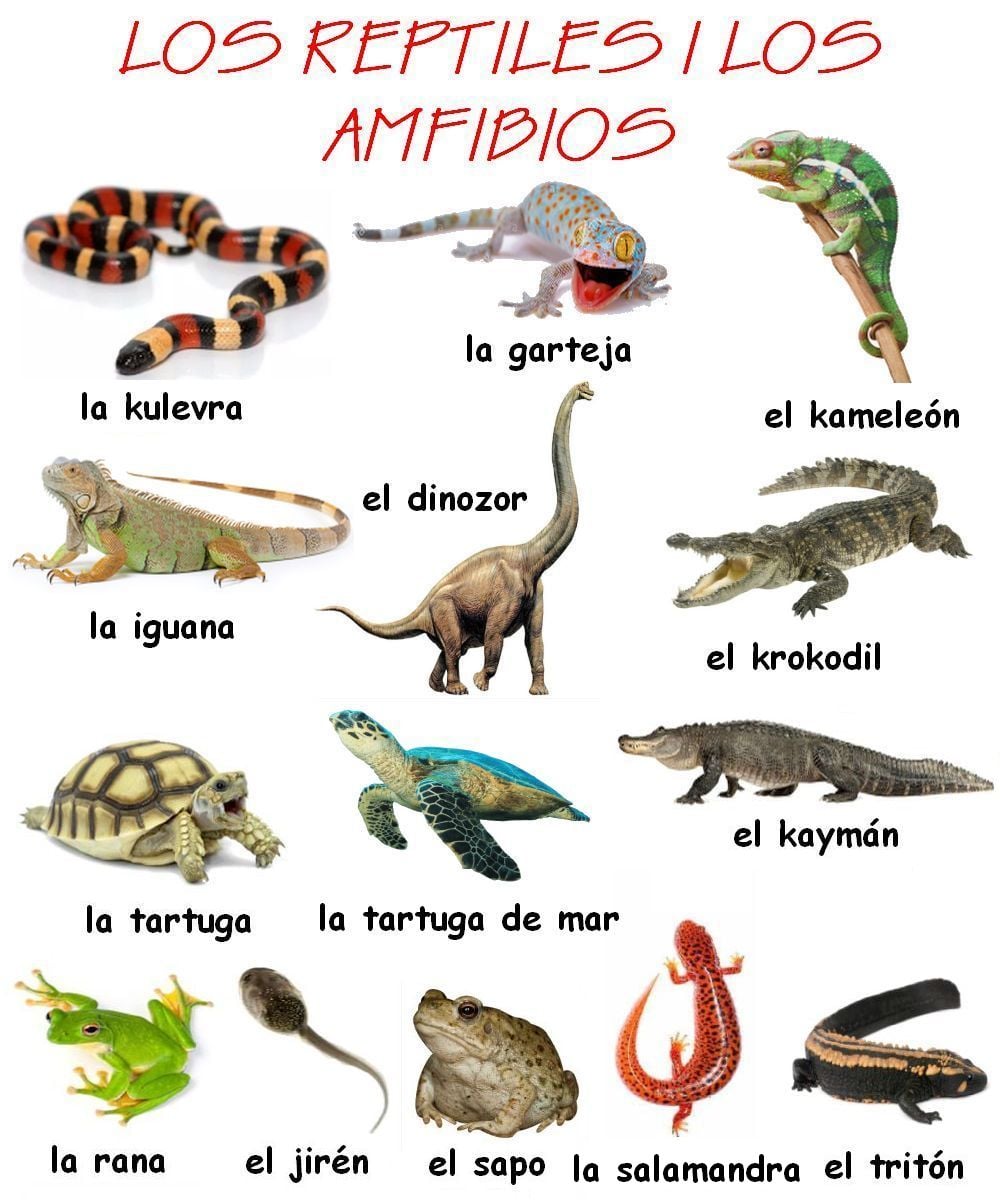
Grupos De Reptiles Descubre la Fascinante Diversidad Maravillas de

Características principales y tipos de reptiles La Neta Neta

Reptil Fotos, tipos y ejemplos de reptiles
/GettyImages-622013488-55a1fad50d93429fb927087e1f18cff8.jpg)
Reptiles And Amphibians
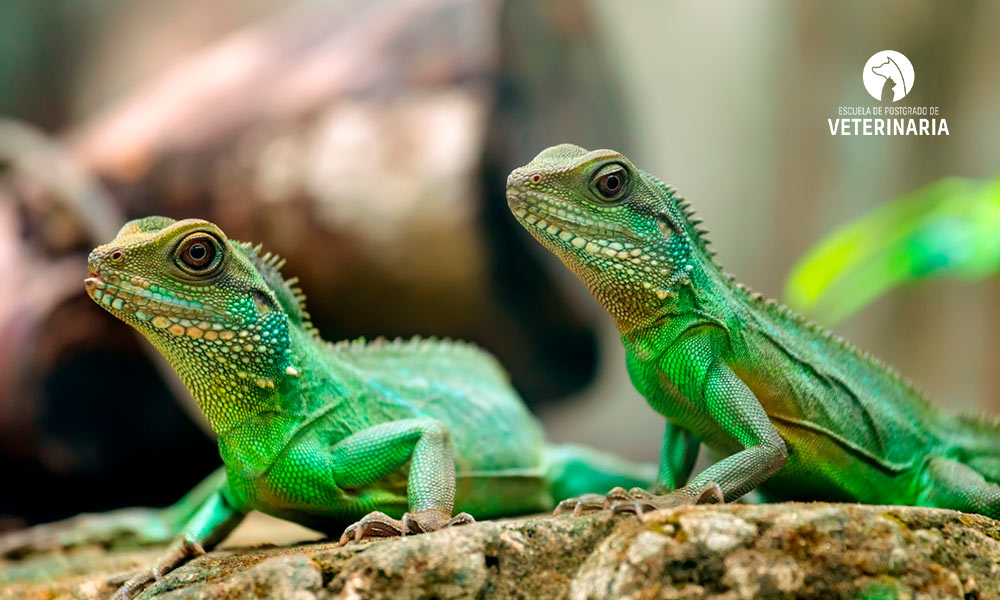
Curiosidades Sobre Os Repteis LIBRAIN
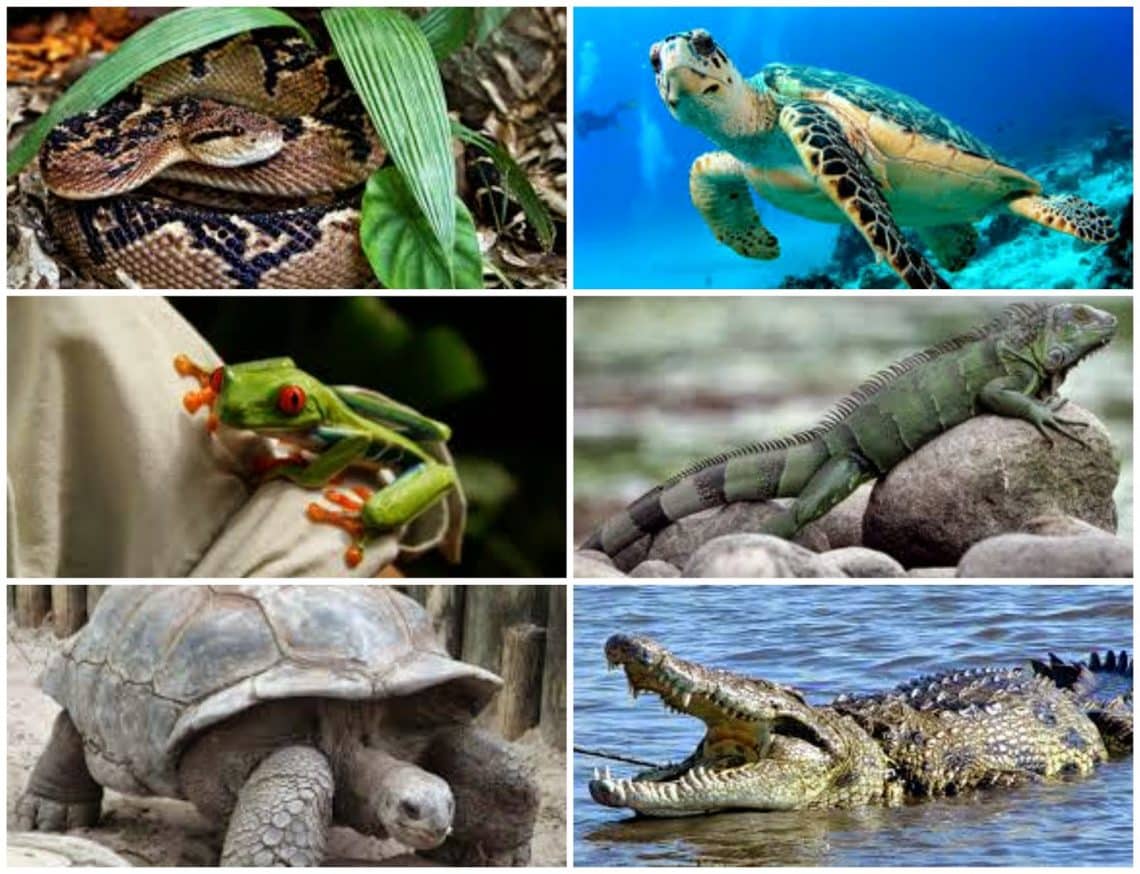
Reptiles Examples

10 Examples Of Reptiles
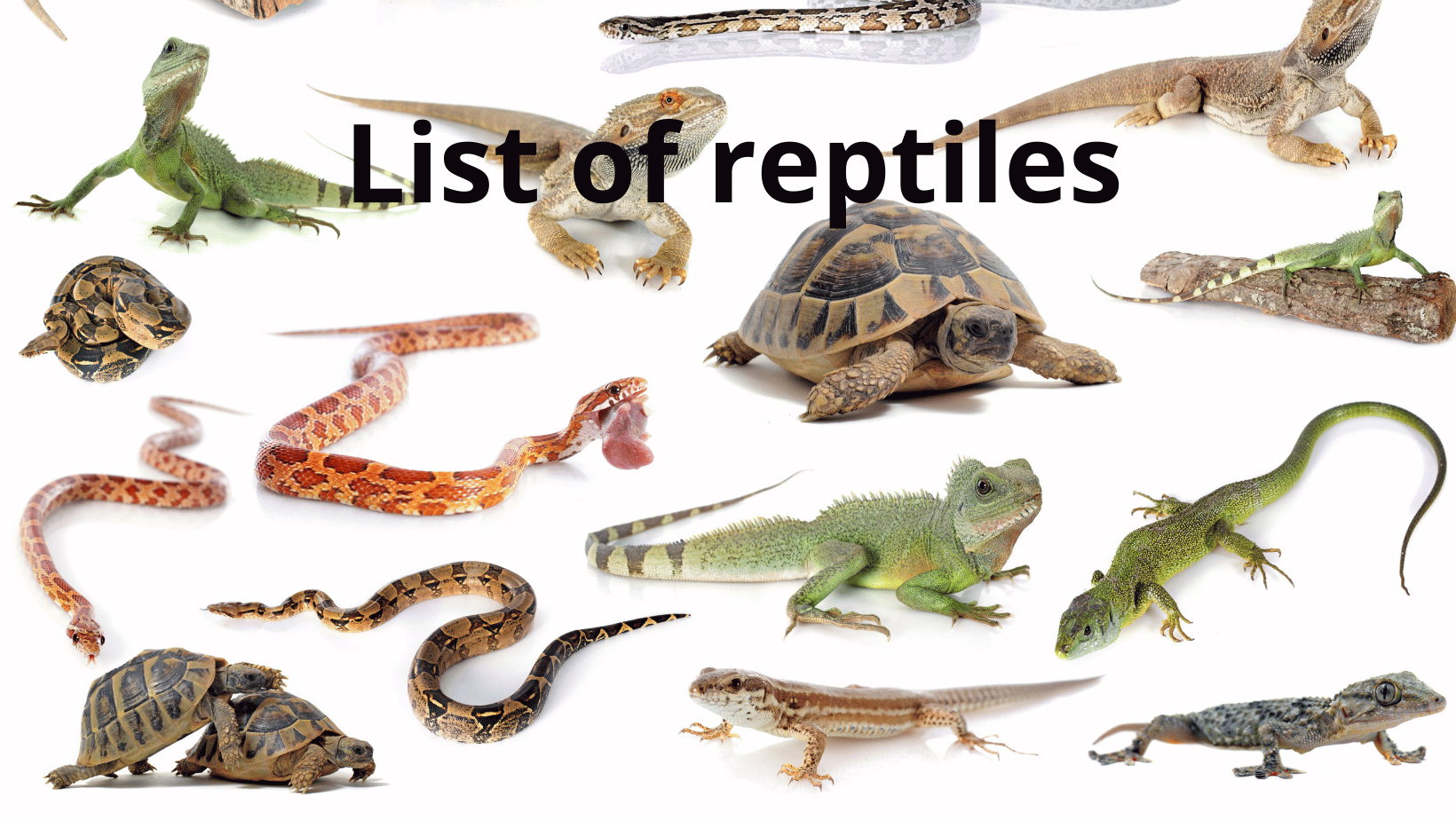
List of reptiles comprehensive list of all reptile types and families
Unlike Amphibians, Reptiles Do Not Have An Aquatic.
Unlike Most Amphibians, Reptiles Evolved The Ability To Complete Their Life Cycle Away From Water, Giving Them An Advantage That.
They Are Distinguished From Other Vertebrates By Specific Physical And Physiological Traits.
Related Post: